

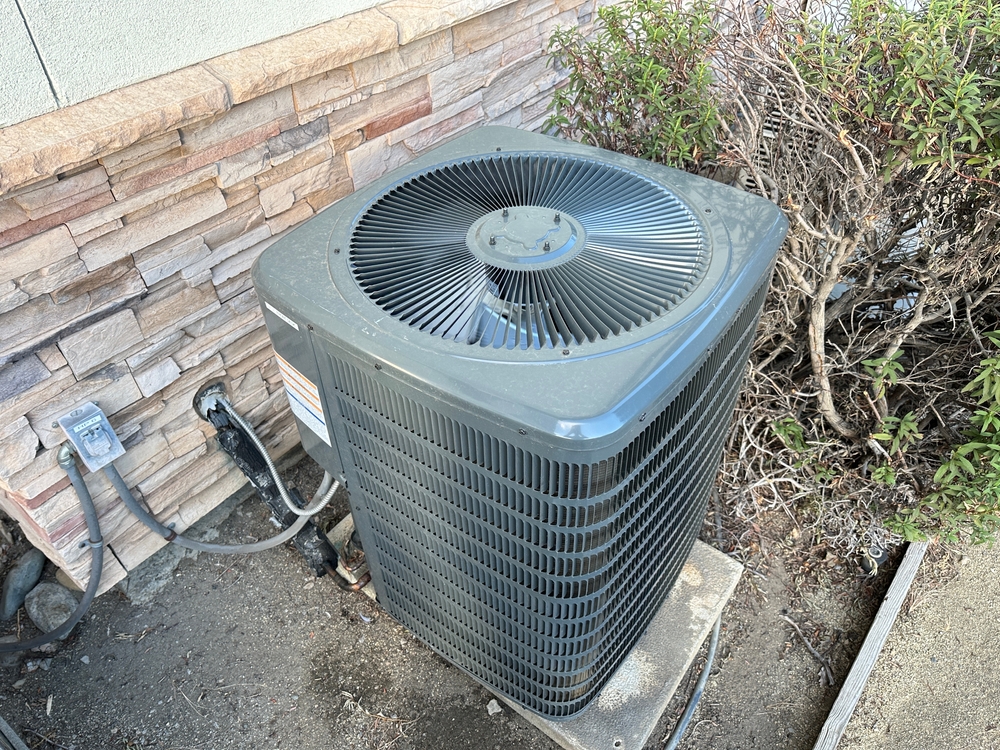
When the AC is making high pitched noise inside the cooling equipment, it signals an internal imbalance building across airflow paths or mechanical sections. These sound changes rarely appear without reason. Cooling systems often communicate stress through sound long before performance drops become obvious.
High pitch tones usually come from airflow pressure shifts, motor friction, or blocked circulation paths. At first, sound may feel mild. Over time, it becomes sharper and more noticeable across rooms. Understanding these signals helps reduce internal strain and keeps cooling output stable during heavy operation periods.
1. Airflow Restriction And Pressure Imbalance Noise
Air movement inside cooling systems depends on open pathways and balanced pressure. When airflow gets restricted, sound waves tighten and create sharp tonal output.
A common issue is an air conditioner whistling sound, often caused by clogged filters, partially closed vents, or dust accumulation in the return channels. As airflow struggles to pass through narrow sections, pressure builds and sound frequency increases.
This condition does not stay limited to sound alone. Cooling distribution often becomes uneven. Some rooms receive weaker airflow while others feel normal output. Over time, internal strain increases because the system keeps pushing against resistance. Cleaning airflow paths and restoring balance helps reduce whistle intensity and improves cooling consistency.
2. Motor Strain And High Pressure Sound Release
Cooling systems depend on compressors and rotating components working under controlled load. When internal strain increases, sound shifts become sharp and aggressive.
A serious condition appears as the AC unit making a screaming sound, often linked to compressor overload or airflow imbalance, forcing the system beyond safe operating range. This sound may occur during startup or heavy cooling demand periods.
At this stage, internal friction increases, and the temperature inside mechanical sections may rise. Performance often becomes unstable shortly after sound change begins. Cooling cycles may feel inconsistent, and the system may struggle to maintain steady output. Immediate attention helps prevent deeper mechanical stress and reduces the risk of major component failure.
3. Blower Motor Strain And Airflow Disruption
Air circulation depends heavily on the blower function. Once wear begins inside the blower assembly, airflow weakens, and sound behavior changes noticeably.
A clear warning appears as bad blower motor symptoms, which include uneven airflow, vibration, noise, and sudden cooling reduction across different areas. Electrical strain or mechanical wear inside the blower assembly often causes this condition over time.
When blower performance drops, airflow distribution becomes irregular. The system compensates by working harder, which increases internal load. This cycle slowly raises energy usage and reduces cooling efficiency. Early response helps restore airflow balance and prevents strain from spreading to connected cooling components.
4. Fan Motor Wear And Squealing Friction Noise
Fan systems operate continuously during cooling cycles. Bearings and lubrication inside fan motors experience gradual wear with time and usage.
A strong indicator is an AC fan motor squealing, often caused by friction between rotating parts or reduced lubrication in the bearing assembly. This sound may become noticeable during startup, shutdown, or long operation cycles.
As friction increases, sound becomes sharper and more persistent. Cooling consistency may also fluctuate because airflow movement depends on smooth fan rotation. Continued operation under this condition increases wear rate and may shorten system lifespan if not addressed early.
5. Sound Progression And Internal Strain Cycle
Cooling systems rarely shift from quiet operation to loud noise instantly. Sound changes follow a gradual progression based on internal wear and pressure imbalance.
Light airflow noise may slowly develop into whistle tones. Over time, mechanical vibration or sharper pitch changes may appear. Dust buildup, loose fittings, aging components, or airflow resistance often contribute to this progression.
When multiple sound types appear together, the internal condition may already be under stress even if the cooling output still feels active. This stage signals a growing imbalance between the airflow and mechanical sections. Early attention helps slow wear progression and supports stable operation during extended cooling cycles.
Unusual sounds inside a cooling system often show that something is not working in normal balance. High-pitched tones, airflow whistles, or squealing noises can point to pressure changes, friction, or airflow blockage developing inside the unit. These signs usually appear before a major breakdown, giving a short window to fix the issue early. If ignored, the system may start losing cooling performance and may require more costly repairs later, especially during heavy use. Sound changes are like early signals from internal parts that something needs attention. Paying attention to these noises helps keep the system running smoothly, reduces extra stress on components, and supports long-term cooling performance without sudden interruptions or unexpected failures.
“If your cooling system is making strange noises, it’s signaling stress that needs immediate attention. Acting early prevents costly repairs and system failure. Contact our experts; we are there to help you. Reach Dunlap A/C & Heating at 813-323-2899 today.”
FAQs
1. Why do cooling systems in Lakeland, FL, produce high pitch sound during summer operation?
In Lakeland, FL, high humidity and dust accumulation often restrict airflow inside cooling systems, creating a pressure imbalance that leads to sharp sound development during heavy usage cycles.
2. What causes sudden whistle and scream sound changes in Riverview, FL, cooling units?
In Riverview, FL, long operating hours combined with worn internal components can increase motor stress, leading to sudden, sharp sound shifts during cooling operation cycles.
3. Why do cooling systems in Brandon, FL, homes develop irregular sound patterns over time?
In Brandon, FL, repeated seasonal use and reduced maintenance often cause gradual internal wear, which shifts airflow balance and alters sound behavior within cooling systems.