

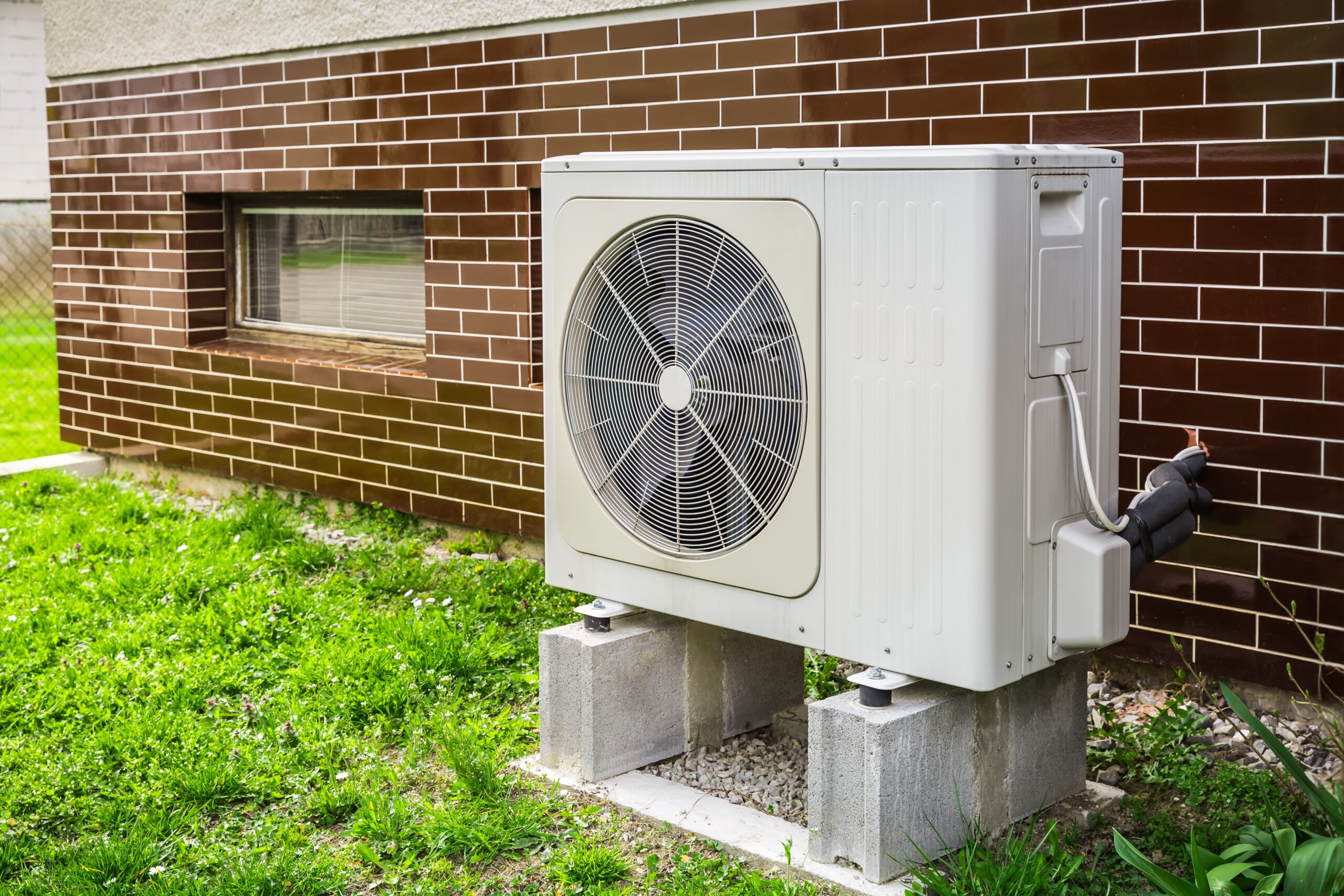
Heat Pumps usually don’t give people much trouble. They run quietly, do their job, and most homeowners don’t think about them until something feels off. Trouble often starts when the weather changes fast. One day, the house feels fine. Next, the temperature drops hard, and suddenly, heat pumps don’t seem to keep up. The air feels cooler. Rooms take longer to warm. Sometimes the unit shuts off and comes back on for no clear reason. This can feel alarming, but a sudden cold rarely causes damage by itself. More often, it exposes small weaknesses that were already there and waiting for the right conditions to show up.
1. There’s Simply Less Heat Outside
These systems depend on outdoor air, even in winter. When temperatures fall quickly, there’s less usable warmth available. That means the system has to work harder just to produce the same result. During slow seasonal changes, this happens gradually and barely gets noticed. During a sharp cold snap, the difference hits all at once. The system runs longer, sounds different, and still may not warm the house as quickly as expected.
2. Ice Doesn’t Give Much Warning
Moisture in the air can freeze faster than people expect. Ice can start forming on the outdoor unit within hours. Once that happens, airflow becomes restricted. The system can’t breathe properly, and performance drops. Defrost cycles are meant to handle this, but when temperatures fall suddenly, ice can build up faster than it clears. That’s when heating starts to feel uneven indoors.
3. Defrost Doesn’t Always Act at the Right Time
Defrost systems rely on sensors and timing. A sudden cold can throw those readings off. Sometimes the unit defrosts too often. Other times, it doesn’t do it enough. Either way, indoor comfort suffers. Homeowners usually notice cool air or longer heating cycles and assume the system is failing, when in reality it’s reacting poorly to rapid weather changes.
4. Refrigerant Behavior Changes in the Cold
Refrigerant doesn’t behave in the same way when temperatures start plummeting. The pressure levels shift suddenly as the temperature drops in a hurry. And even the tiniest of imbalances becomes way more noticeable in cold weather. When pressure gets outside the safe limits, the system will often kick in an automatic shutdown for a bit, which can feel like a failure, but what it’s doing is actually trying to look out for itself from getting into a whole lot worse trouble.
5. Cold Affects Electrical Parts Too
Most people think of cold weather as a problem for air and ice, but the truth is, it can also put some serious strain on electronic bits. Connections get a bit tighter, sensors start to react a bit more sluggishly, and relays don’t always flip cleanly. This can sometimes cause a system to be slow to start or even cut short a cycle. In some cases, the system will manage to recover on its own, but repeated exposure to these cold stressors will slowly start wearing things down over time.
6. Backup Heating Works Harder Than Intended
When outdoor temperatures drop fast, backup heat often takes over. It keeps the house warm, but it also uses more energy and adds strain. Many homeowners don’t notice this right away, other than a higher utility bill. Over time, relying too much on backup heating can hide performance issues that should be addressed earlier.
7. Skipped Maintenance Becomes Obvious
Mild weather is forgiving. Cold weather isn’t. Dirty filters, weak airflow, and aging parts suddenly matter a lot more. That’s why simple heat pump troubleshooting tips and routine checks make such a difference. Problems that feel minor in the fall can become major during a sudden freeze.
8. Some Systems Just Have Limits
Not every system is built for sharp temperature swings. Some work best in steady conditions and struggle when winter gets aggressive. That doesn’t always mean something is broken. It means the system is being pushed outside its comfort zone. Knowing this ahead of time helps set realistic expectations when the weather turns.
Sudden cold snaps rarely cause heat pump failures by themselves. Instead, they expose systems already stressed, worn, or slightly off balance. Ice buildup, pressure fluctuations, electrical strain, and control issues often surface simultaneously when temperatures drop quickly. Homeowners who understand these patterns can respond calmly rather than panic. Regular observation and timely attention allow most of these problems to be managed before escalating into serious failures. By addressing minor issues early, you can keep your system running efficiently and avoid costly repairs during the coldest periods of the year.
If your heating system starts acting up when temperatures drop, it’s smart to address it early. A quick inspection can catch small issues before they turn into costly problems. Contact our experts at Dunlap Heating and A/C for a straightforward evaluation and honest advice, no pressure. Call 813-323-2899 today and keep your system running all winter smoothly.
FAQs
Q. Why does my system struggle only when temperatures drop suddenly?
Fast changes stress components more than gradual weather shifts, exposing issues that weren’t obvious before.
Q. Is ice on the outdoor unit always bad?
Light frost can be normal, but thick or lingering ice usually means airflow or defrost problems.
Q Does regular service really help during winter?
Yes. Maintenance keeps parts responsive and helps systems handle sudden cold more smoothly.