

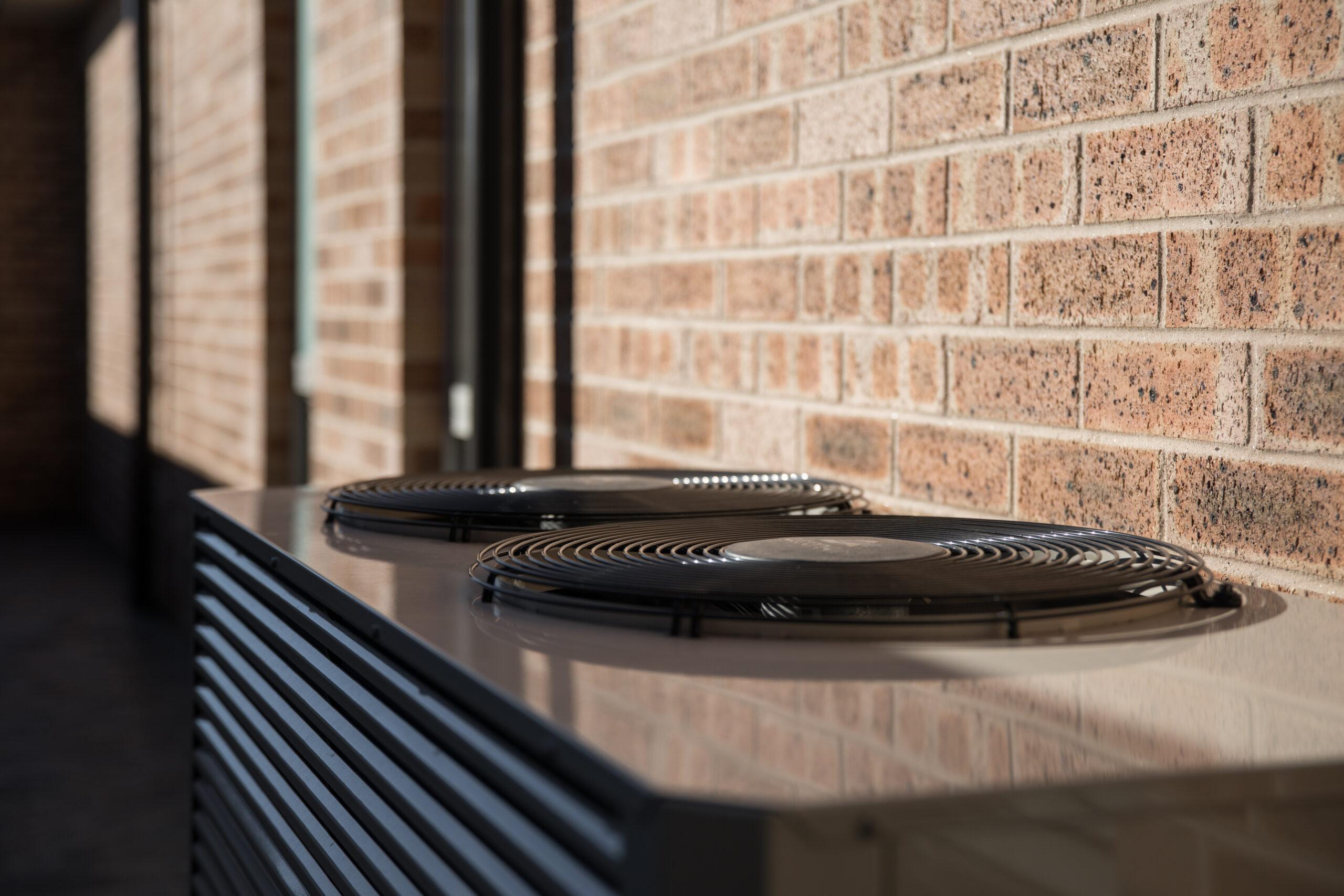
A Florida thunderstorm rolls right through, the sky finally clears, and you head back inside fully expecting sweet, cool relief, only to feel your vents pushing out air that’s somehow lukewarm at best, like the AC suddenly forgot how to do its one and only job. An AC blowing warm air in Plant City, Florida, right after a storm is a surprisingly common summer headache, and more often than not, the lightning and the power surges that rolled in with all that weather are the real reason hiding behind it. Most people instantly assume their entire system is completely shot and start dreading the bill. Usually, though, it’s really just one specific part that quietly took the brunt of the hit. The actual cooling side quietly gave out while the indoor fan just kept right on blowing away. So here’s what that storm most likely knocked loose inside your unit, and what it really takes to fix it properly.
The Storm Did Way More Than Knock Out the Lights
Summer storms around here pack a real punch that your AC feels very directly. A nearby lightning strike sends a sharp surge straight through the power lines, and even without any direct hit, that sudden voltage spike can fry the delicate electrical parts inside your outdoor unit. The fan indoors might still hum along and blow just fine, which is exactly why warm air keeps coming out of your vents, but the part that actually cools that air has quietly given up. So you end up with plenty of airflow but zero real cooling, which is the textbook sign that the storm took something important out. Knowing exactly where to look first turns a scary, sweaty mystery into a genuinely fixable little problem.
The Most Common Culprit: A Fried Capacitor
If your AC is blowing warm air right after a storm, the capacitor is honestly the very first suspect by a country mile. It’s a small cylindrical part that stores the quick jolt of energy needed to start your compressor and your outdoor fan motor, and it’s extremely sensitive to power surges. Blown AC capacitor lightning damage is genuinely one of the single most frequent storm-related failures, leaving the indoor fan running while the outdoor unit just sits there dead or quietly humming. You might even spot a visibly bulged, swollen, or leaking capacitor if you carefully peek inside the outdoor unit yourself. It’s an inexpensive little part, sure, but replacing it safely means handling a stored electrical charge, so it’s really a job for a properly trained technician.
When the Compressor Just Won’t Engage
Sometimes the capacitor itself checks out perfectly fine, but the compressor still flatly refuses to kick on, and that’s a noticeably bigger deal. The compressor is really the beating heart of the whole cooling process, and after a hard surge, it can badly struggle to start up against all that heat and pressure. Proper compressor hard start troubleshooting carefully checks the capacitor, the contactor, and whether a small hard-start kit can give it the extra boost it needs to turn over. You’ll often hear it try, a quick hum or a sharp click, then go dead silent as the breaker trips right back out. Because the compressor is by far the priciest part to replace, getting this diagnosed fast can be the whole difference between a small fix and a very big one.
Other Storm Damage and When It Gets Urgent
Capacitors and compressors honestly aren’t the only things a bad storm can take right out. A single surge can trip the breaker, blow a fuse, knock out the thermostat, or even quietly damage the control board that runs your whole system. In the thick of a brutal Florida summer, a house with no cooling at all can get dangerously hot shockingly fast, which is exactly when emergency air conditioning repair stops being any kind of luxury and becomes a real necessity. If your home is climbing well past comfortable and you’ve got elderly family, young kids, or pets inside, please don’t just try to wait it out. A fast, proper diagnosis right away protects both your everyday comfort and your whole family’s actual health.
How to Protect Your AC From the Next Storm
Once you’re finally cool again, a little smart prevention saves you from ever repeating all of this. A whole-home surge protector is honestly the single best defense you have, quietly shielding your AC and everything else in the house from the very next voltage spike. Regular seasonal maintenance helps a whole lot too, since a good tech can catch a weak capacitor or a worn-out part well before a storm finishes it off completely. During an active storm, some careful homeowners shut the system off at both the thermostat and the breaker to dodge the worst of a surge. None of it is ever totally foolproof, of course, but together these few simple steps stack the odds very heavily in your favor.
Warm air pouring out after a storm almost always traces straight back to surge or lightning damage, usually a blown capacitor, a stalled compressor, or a knocked-out control somewhere deep in the system. The genuinely good news is that most of these are fixable fast once someone knows exactly where to look, and a little surge protection keeps the whole thing from ever happening again. That kind of fast, honest, no-upsell work is exactly what Dunlap’s A/C and Heating has been built on since 2009, with Goodman-certified technicians bringing over twenty years of real-world experience to homes all over Plant City. As a proudly locally owned and operated team, they treat your home like their very own and do the job right the first time, every single time. When a nasty storm leaves you sitting there sweating, you’ve got real neighbors who can get you cool again fast.
“Storm left your AC blowing warm? We will track down the cause fast. Call Dunlap’s A/C and Heating at 813-323-2899 for same-day storm repairs.”
FAQs
Q1: Why is my AC blowing warm air after a storm in Plant City, Florida?
In Plant City, Florida, warm air after a storm usually means a surge or lightning damaged a component, most often the capacitor that starts your outdoor unit. The indoor fan keeps running, so you feel airflow without cooling. A technician can pinpoint whether it’s the capacitor, compressor, or a control issue.
Q2: Can lightning damage my AC in Plant City, Florida?
For homeowners in Plant City, Florida, yes, lightning and the surges it causes can fry capacitors, blow fuses, and harm the control board, even without a direct strike. A whole-home surge protector greatly reduces the risk. If your AC acts up right after a storm, have it inspected before running it hard.
Q3: Is a blown capacitor expensive to fix in Plant City, Florida?
Around Plant City, Florida, the capacitor itself is an inexpensive part, and replacement is usually a quick, affordable repair. The catch is that it stores an electrical charge, so it should be handled by a trained tech. Catching it early also prevents extra strain on the pricier compressor.