

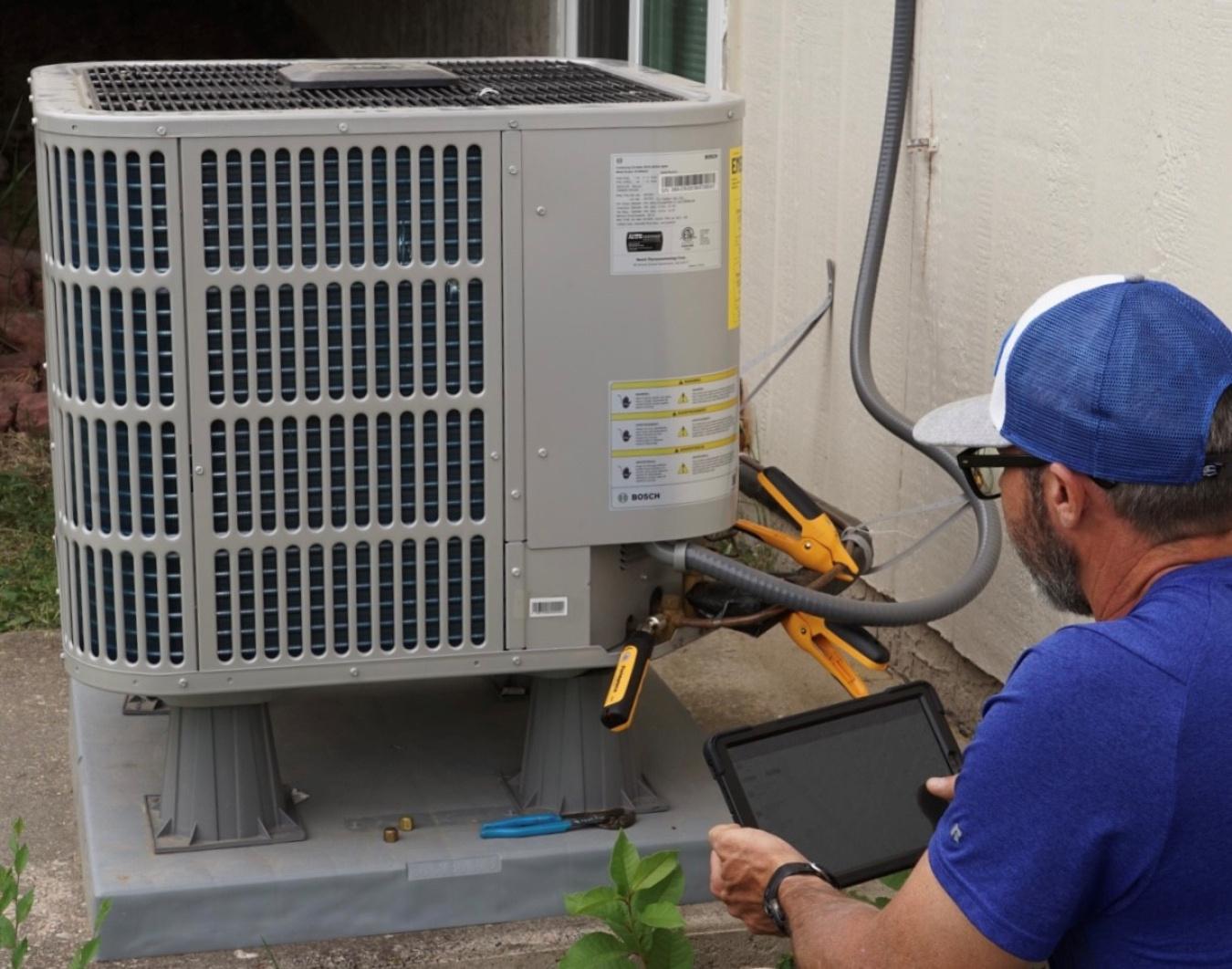
Heat pumps have become a top choice for year-round home comfort because they move heat rather than generate it, offering high efficiency both when heating and cooling. Modern units extract heat from outdoor air, the ground, or water and deliver it inside with far less energy than traditional electric resistance heaters. With Dunlap Heating and A/C’s practical heat pump installation and maintenance guide, you get reliable comfort, lower bills, and a smaller carbon footprint.
Heat pumps are especially appealing in mild and moderate climates, but advances in cold-climate models make them viable in many colder regions today. Their dual-mode operation (heat in winter, cooling in summer) streamlines home systems and reduces equipment footprint. With incentives and improved inverter technology, more homeowners are choosing heat pumps over separate furnace-and-air-conditioner setups.
How a heat pump actually moves heat
A heat pump works like an air conditioner operating in reverse. Refrigerant circulates through an evaporator and condenser, absorbing heat from outside and releasing it indoors. In cooling mode, the cycle reverses, removing heat from the home. This transfer process uses electricity to run compressors and fans, but because it shifts heat rather than creating it, COP (coefficient of performance) values often exceed 2–4, meaning two to four units of heat delivered per unit of electricity consumed.
This efficiency makes heat pumps particularly attractive when paired with a well-insulated home and efficient distribution system. Proper ductwork, insulation, and thermostat control are essential to realize the full benefits.
Types of heat pumps and where they make sense
Air-source heat pumps are the most common and cost-effective for many homes; they draw heat from outdoor air. Ground-source (geothermal) systems tap stable ground temperatures for higher efficiency but cost more to install. Mini-split (ductless) heat pumps provide zoned comfort without ductwork and are ideal for additions or older homes with no existing ducts.
Choosing the right type requires matching the home’s layout, climate, and budget to the system’s strengths. An installer should evaluate load needs and site constraints before recommending a solution.
Key factors that affect performance
When determining whether a heat pump will serve your home well, several key factors influence the decision.
a. Home size and insulation level
Larger homes or poorly insulated envelopes need more capacity. Proper insulation reduces needed capacity and improves comfort.
b. Climate and low-temperature performance
Cold climates require models rated for low-temp operation or hybrid systems with a backup heat source.
c. Ductwork condition and distribution losses
Leaky or poorly sized ducts reduce delivered efficiency; duct sealing can often be the best investment.
d. Siting and airflow
Outdoor unit location affects performance — avoid dead air pockets and ensure clear airflow.
e. Electrical capacity and incentives
Upgrades to electrical service may be required; available rebates or tax credits can offset costs.
Heat pump installation essentials
Good installation separates successful systems from disappointing ones. Proper load calculations (Manual J), correct refrigerant charge, level and stable outdoor mounting, adequate airflow, and correct ductwork or branch-line sizing are non-negotiable. Installers should verify electric service, ensure proper condensate routing, and confirm thermostat compatibility.
Two short steps matter most: accurately size the system to the home’s real heating and cooling load, and follow manufacturer start-up procedures so the unit runs at designed efficiency.
Seasonal maintenance that keeps efficiency high
Heat pump maintenance is straightforward but must be regular. Clean or replace filters monthly to maintain airflow, clear debris around outdoor units, and schedule annual professional checks. Technicians inspect refrigerant charge, measure airflow, test electrical connections, and clean coils. Homes with hard water or salt exposure may need extra corrosion protection for outdoor units
A simple homeowner checklist and an annual professional tune-up extend life, preserve warranty coverage, and prevent efficiency loss.
Common issues and how to spot them early
Less heat or uneven rooms, frequent short cycling, or freezing of the outdoor coil are signs of trouble. Strange noises, higher electric bills, or repeated defrost cycles also indicate a service call is needed. Addressing minor issues promptly prevents compressor failures and costly repairs.
For homes relying on a heat pump as the primary heat source, a backup plan for extreme cold (auxiliary heat or hybrid furnace) is worth considering.
How to compare costs and savings
Upfront cost includes equipment, installation, any duct or electrical upgrades, and potential backup systems. Long-term savings appear in lower monthly energy bills and longer equipment life when properly maintained. Factor in local electricity prices, available incentives, and expected heating seasons to estimate the payback period. In many cases, the higher initial investment pays back in energy savings within several years.
Environmental and comfort benefits
Heat pumps reduce fossil fuel use when they replace propane or oil systems and yield lower greenhouse gas emissions when the grid is cleaner. They also offer consistent humidity control and quieter operation than combustion systems.
Conclusion
Heat pumps provide efficient year-round comfort when correctly selected, installed, and maintained. Work with a qualified installer who performs proper load calculations and follows manufacturer procedures; combine a quality system with routine maintenance to ensure long life and consistent savings. Use a heat pump installation and maintenance guide from a trusted pro to make the best choices for your home.
Ready to explore heat pump options? Book a site assessment and get a tailored recommendation and cost estimate from the experts at Dunlap Heating and A/C at 813-323-2899.
FAQs
Q. Will a heat pump work reliably in Brandon, FL?
Yes. Brandon’s mild winters and hot summers suit air-source heat pumps well; units operate efficiently year-round with excellent dehumidification. Select a properly sized system and schedule annual maintenance to keep performance steady in Brandon, FL.
Q. How often should I service my heat pump in Brandon, FL?
Have a professional check the system annually, ideally before peak heating or cooling season; cleaning filters monthly helps between visits. Consistent service preserves warranty coverage and helps the unit deliver the efficiency you paid for in Brandon, FL.
Q. What should I ask an installer before signing?
Ask for load-calculation proof, warranty details, start-up checklist, and references from similar local installs. Confirm whether ductwork or electrical upgrades are needed and request an itemized estimate that includes permitting and any rebate assistance.