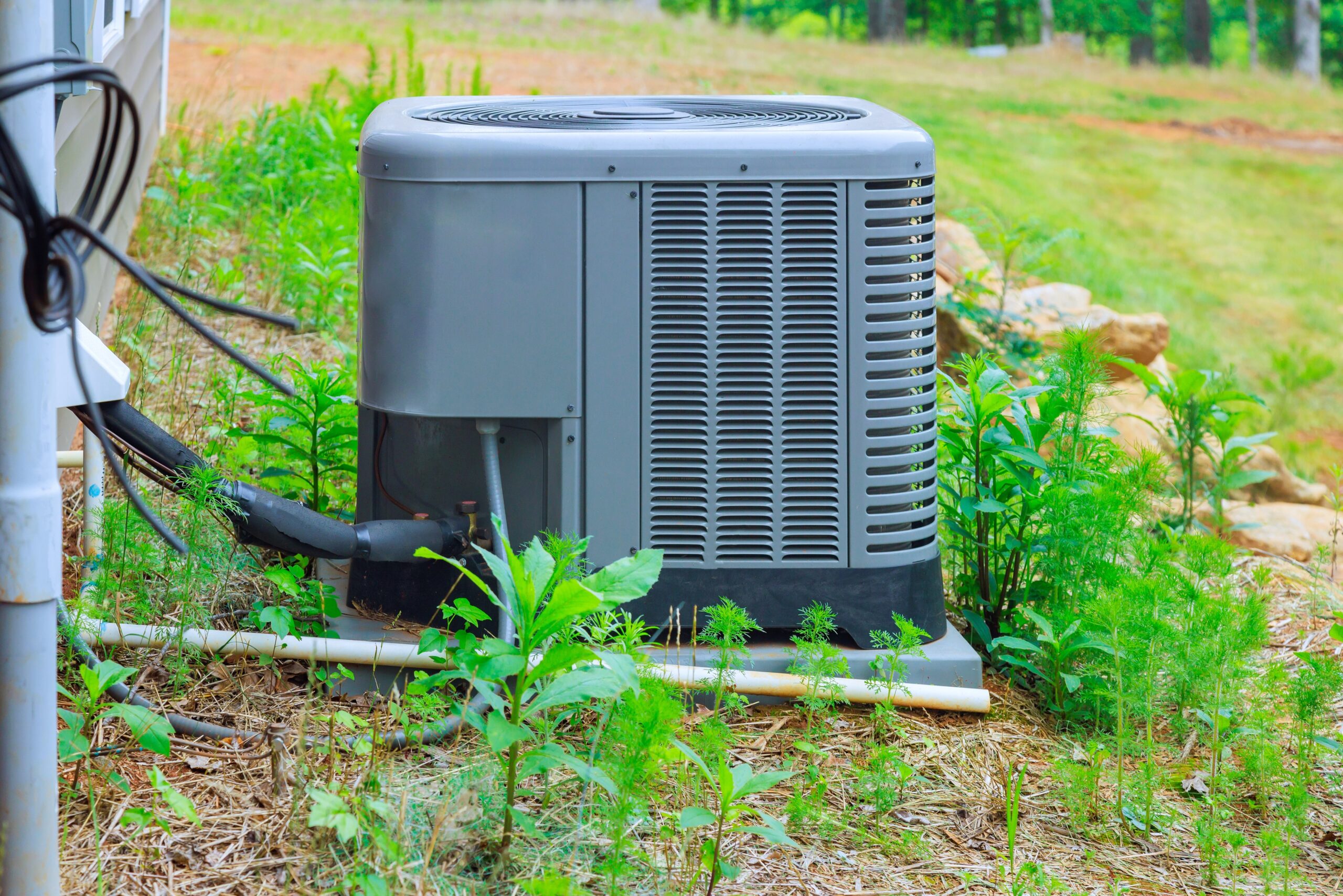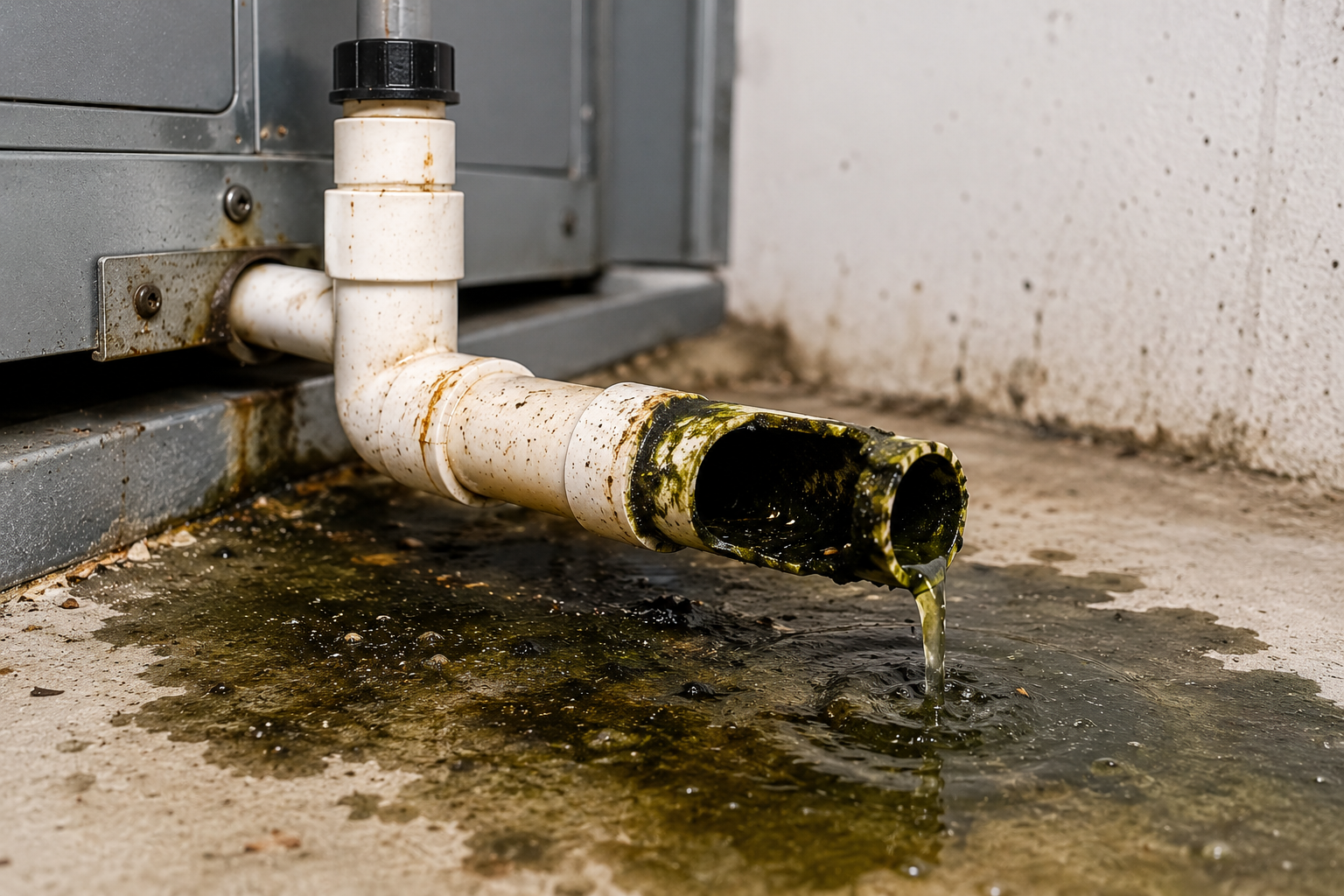


Heating systems are usually overlooked by homeowners until these systems stop providing the needed comfort. A sudden cold, rising energy bills, or uneven warmth in the house can, in a very short time, turn a system that was a source of comfort into a source of stress. Problems with heating, as a rule, do not occur without warning, but quite a lot of homeowners do not understand how their systems operate, when they really need to be serviced, and how to make the right decisions regarding repairs, maintenance, or replacement.
This detailed guide on heating services, created by Dunlap Heating and A/C, is a tool that provides clarity and confidence to homeowners. It helps heat explanations be understood easily by the users as it uses very simple terms, but it also has the required depth to comprehend all those professional services, taking into account safety issues and long-term efficiency strategies. If you are just maintaining an old system, dealing with its poor performance, or making plans for a new one, this guide will walk you through the steps of saving your investment, raising your comfort level, and making sure that you have warm air when it gets cold with the help of a trusted local expert.
Heating services encompass the inspection, maintenance, repair, installation, and optimization of residential heating systems. For homeowners, heating services are not just about warmth during colder months. They are about safety, energy efficiency, system reliability, and long-term cost control.
A heating system that is well-maintained provides stable comfort without surprises of breakdowns or increasing utility bills. Heating services keep the unit operating to very tight tolerances, the whole process from heat generation to air distribution being safe and efficient. If there is no regular servicing, small problems such as airflow restrictions, worn components, or control failures can slowly cause the system to be less effective, without it eventually stopping altogether.
Professional heating services can also help to make the air that you breathe cleaner and safer. Fuel-burning systems, which use electrical components and/or recirculate air, should be closely monitored in order to avoid the risk of carbon monoxide, electrical hazards, and uneven heating.
For Florida homeowners, heating services may not be needed as frequently as cooling services, but they are no less important. When temperatures drop unexpectedly, a dependable heating system ensures comfort without stress.
Gas and electric furnaces generate heat and distribute it through ductwork. They are valued for reliability and strong heating output when maintained properly.
Heat pumps transfer heat instead of generating it. In Florida’s climate, they are one of the most efficient options for both heating and cooling.
These systems combine a heat pump with a secondary heating source, switching automatically for maximum efficiency.
Mini-split systems provide zoned heating without ductwork, ideal for additions or homes with unique layouts.
Each system requires specific expertise. Professional service ensures correct diagnostics, safe operation, and accurate repairs.
Heating systems rarely fail suddenly. Most breakdowns develop slowly due to wear, dirt buildup, or calibration issues. Regular heating service catches these problems early, before they escalate into costly emergencies.
Without routine maintenance, homeowners often experience higher energy bills, inconsistent temperatures, and reduced system lifespan. Dirty components force systems to run longer, increasing strain and energy consumption. Over time, this leads to premature equipment failure.
Maintenance also protects household safety. Fuel-burning systems require proper ventilation and combustion monitoring. Electrical systems must operate within safe parameters. Professional inspections ensure safety controls function correctly and risks are minimized.
Regular heating service is not an expense; it is a long-term investment in comfort, efficiency, and peace of mind.
Most homeowners benefit from annual professional heating service, ideally scheduled before cooler weather arrives. Even in Florida, seasonal temperature drops can place sudden demand on heating systems that may not have run for months.
Annual service allows technicians to clean components, test controls, inspect airflow, and ensure reliable startup when heat is needed most. Homes with older systems or high usage may benefit from additional inspections.
Consistent service scheduling reduces unexpected repairs and extends system life.
Heating systems typically provide warning signs before failure. Recognizing these early helps homeowners avoid emergencies.
Common signs include:
Persistent cold spots throughout the home often indicate airflow restrictions, duct leakage, or a heating system that is no longer distributing warmth evenly. Left unaddressed, these imbalances force the system to work harder, increasing wear and energy use while reducing overall comfort.
Burning or musty odors during operation can signal dust buildup on internal components, electrical issues, or moisture problems within the system. While some odors may appear briefly at seasonal startup, persistent smells should always be evaluated to rule out safety or air quality concerns.
Weak airflow from vents typically points to clogged filters, failing blower motors, or ductwork problems that prevent heated air from reaching living spaces. Reduced airflow not only affects comfort but also places additional strain on the heating system.
Delayed ignition or startup issues suggest problems with ignition components, sensors, or fuel delivery. These delays can cause inefficient heating cycles and may indicate developing mechanical or safety issues that require professional attention.
Rising energy bills without explanation are often a sign that the heating system is operating inefficiently. Worn components, airflow issues, or poor calibration can cause the system to consume more energy while delivering less consistent heat.
Frequent system cycling, where the unit turns on and off repeatedly, is a warning of underlying problems such as thermostat malfunctions, airflow restrictions, or overheating components. Short cycling accelerates wear and increases the likelihood of premature system failure.
Carbon monoxide detector alerts are the most serious warning sign and should never be ignored. These alerts may indicate combustion or ventilation issues that pose immediate safety risks, requiring prompt professional inspection to protect your home and family.
When these symptoms appear, professional evaluation restores safety and comfort before further damage occurs.
Proper installation is the foundation of heating performance. Even the most advanced system cannot perform efficiently if installed incorrectly.
Professional installation includes:
We make sure that every installation matches the home’s layout, insulation, and comfort needs, delivering reliable performance from day one.
Professional maintenance is comprehensive and preventative.
Typical service includes:
This proactive approach improves efficiency, reduces breakdown risk, and extends equipment lifespan.
Some heating issues require immediate professional attention.
Common repairs include:
Delaying professional repair often increases damage and cost. Early service restores performance safely.
Improved efficiency is one of the most immediate benefits of a professional tune-up. Clean components, proper calibration, and verified airflow allow the system to produce consistent heat using less energy, reducing unnecessary strain on critical parts.
Reduced energy consumption follows naturally when the system operates as designed. Addressing airflow restrictions, worn components, and control issues helps the heating system run shorter, more effective cycles, which directly lowers monthly utility costs.
Quieter operation is another advantage of routine tune-ups. Loose parts, motor strain, and airflow turbulence are identified and corrected, eliminating many of the noises homeowners associate with aging or poorly maintained equipment.
Longer system life results from reduced stress on internal components. When heating systems are cleaned, adjusted, and monitored regularly, they experience less wear, fewer breakdowns, and a significantly extended operational lifespan.
Emergency calls are handled with urgency to restore heat and reduce exposure to unsafe conditions.
Technicians quickly identify whether the issue is mechanical, electrical, fuel-related, or safety-driven.
Homeowners receive straightforward explanations of the problem, repair options, and safety considerations.
If full repairs cannot be completed immediately, temporary measures may be used to maintain heat safely.
Emergency service prioritizes safe operation first, followed by comfort restoration.
Service Type | Response Time | Diagnostic Depth | Repair Scope | Safety Priority |
Emergency Heating Service | Immediate / Same Day | Rapid & Targeted | Stabilization or Critical Repair | Very High |
Standard Heating Service | Scheduled | Comprehensive | Full Repair or Maintenance | High |
Adjusting blower performance, balancing vents, and correcting restrictions ensures heat reaches all areas evenly.
Clean burners, heat exchangers, and internal components allow efficient heat transfer and smoother operation.
Accurate thermostats and controls prevent excessive cycling and unnecessary energy use.
Reducing air loss through leaks prevents wasted energy and uneven temperatures.
Proper tuning ensures the system runs within manufacturer specifications for peak efficiency.
Area of Impact | Before Service | After Efficiency Improvements |
Energy Usage | Higher | Reduced |
Heating Consistency | Uneven | Balanced |
System Runtime | Extended cycles | Optimized cycles |
Component Wear | Accelerated | Minimized |
Comfort Level | Variable | Stable |
Confirms compliance with local regulations and protects homeowners during service and repairs.
Providers familiar with regional weather understand how temperature fluctuations affect system demand and wear.
Honest evaluations and transparent pricing allow homeowners to make informed decisions without pressure.
Certification ensures technicians are knowledgeable about modern systems, safety protocols, and manufacturer standards.
Positive reviews and referrals reflect consistent service quality and reliability.
Evaluation Factor | Reliable Heating Provider | Short-Term Repair Focus |
Diagnostic Approach | System-wide evaluation | Isolated symptom fixes |
Transparency | Clear explanations | Limited details |
Repair Quality | Long-term solutions | Temporary fixes |
Safety Standards | Strict adherence | Inconsistent |
Customer Relationship | Ongoing support | One-time service |
Upgrading and replacing your heating system becomes a smart investment when ongoing repairs, rising energy bills, or declining performance begin to outweigh the benefits of keeping older equipment. Aging systems often struggle to heat evenly, operate less efficiently, and require frequent service, increasing long-term costs.
Modern heating systems offer improved energy efficiency, quieter operation, enhanced safety features, and better temperature control, helping homeowners reduce utility expenses while improving comfort.
Factor | Repair | Replacement |
System Age | Under 10 years | 12–15+ years |
Efficiency | Acceptable | Outdated |
Repair Frequency | Occasional | Frequent |
Long-Term Cost | Higher | Lower |
Reliability | Temporary | Long-term |
Professional guidance makes sure that you make the right decision. Professional evaluation ensures the new system is properly sized and matched to your home’s layout and usage needs, delivering reliable warmth and long-term value rather than short-term fixes.
Ensures fuel burns cleanly and efficiently without producing excessive carbon monoxide or unsafe exhaust gases.
Confirms that exhaust gases are properly vented outdoors and not leaking back into the home.
Identifies loose wiring, worn connections, or failing controls that could cause shutdowns or fire hazards.
Test limit switches, flame sensors, pressure switches, and emergency shutoffs to confirm they respond correctly.
Reduces the risk of silent, dangerous CO exposure through proper system calibration and ventilation checks.
Pinpoints where heated air escapes before reaching rooms.
Explains cold rooms, weak airflow, or temperature inconsistencies.
Detects crushed, sagging, or deteriorating duct materials.
Identifies heat loss in unconditioned spaces like attics or crawlspaces.
Condition | Without Duct Repair | After Professional Repair |
Heat Delivery | Uneven | Balanced |
Energy Use | Higher | Lower |
System Runtime | Extended | Optimized |
Comfort | Inconsistent | Stable |
Confirm the system is set to “heat,” programmed correctly, and powered.
Dirty filters restrict airflow and cause overheating or shutdowns.
Blocked vents prevent proper heat distribution.
Tripped breakers can interrupt the heating operation.
Furnaces, heat pumps, and hybrid systems have different service requirements.
Older systems may require harder-to-source parts or more labor.
Minor adjustments cost less than major mechanical repairs.
Control boards, motors, or safety components affect total cost.
Emergency or after-hours service may increase pricing.
Service Approach | Typical Cost Impact | Long-Term Value |
Preventive Maintenance | Lower | High |
Emergency Repair | Higher | Limited |
Deferred Repairs | Increasing over time | Low |
Preventive maintenance focuses on preserving the overall health of the heating system rather than reacting to visible problems after they occur. By addressing wear, airflow balance, and component performance early, maintenance reduces the likelihood of sudden breakdowns during peak demand. Systems that receive regular preventive care operate more efficiently, which helps lower energy consumption and stabilize utility costs over time.
Consistent maintenance also extends equipment lifespan by reducing strain on critical components such as motors, heat exchangers, and controls. Safety benefits are equally important, as inspections help identify combustion issues, ventilation problems, and electrical risks before they become hazards. For homeowners, preventive maintenance delivers reliable comfort, fewer unexpected repairs, improved efficiency, and greater peace of mind throughout the heating season.
Smart thermostat installation enhances heating system performance by providing precise, automated temperature control that adjusts to daily routines and changing conditions. These advanced thermostats learn occupancy patterns, monitor indoor temperatures, and optimize heating cycles to reduce energy waste without sacrificing comfort.
Professional installation ensures the thermostat is properly calibrated, compatible with your heating system, and fully integrated with existing controls. Once installed, homeowners can manage heating remotely, receive energy usage insights, and make real-time adjustments that support efficiency and long-term system health.
Traditional and smart thermostats both control indoor temperature, but they differ significantly in how they manage comfort and energy use. Traditional thermostats rely on manual adjustments and fixed schedules, which often lead to unnecessary heating when no one is home. Smart thermostats, on the other hand, use sensors, learning algorithms, and connectivity to automatically adapt to household routines and weather conditions. They can optimize heating cycles, reduce energy waste, and provide remote access through smartphones or tablets.
Feature | Traditional Thermostat | Smart Thermostat |
Scheduling | Manual | Automated |
Remote Control | No | Yes |
Energy Insights | No | Yes |
Efficiency Optimization | Limited | Advanced |
Professional installation ensures compatibility, accurate calibration, and seamless integration with existing heating systems. Over time, smart thermostats help maintain more consistent comfort while lowering energy costs, making them a practical upgrade for homeowners seeking efficiency, convenience, and better control over their heating systems.
Understanding regional weather patterns and system demands.
Skilled professionals trained to service modern and legacy systems safely.
Clear explanations without pressure-driven upselling.
Every service prioritizes system integrity and household safety.
Consistent communication and dependable appointment windows.
Dunlap Heating and A/C focuses on long-term system performance with services backed by experience and care, not short-term fixes. With a strong focus on safety, reliable scheduling, and responsive support, the company prioritizes comfort, efficiency, and peace of mind in every service call, building long-term trust rather than offering short-term fixes.
Heating services protect far more than indoor comfort; they safeguard your family’s safety, your home’s energy efficiency, and the long-term value of your property. Regular professional care helps prevent unexpected breakdowns, reduces the risk of safety hazards such as carbon monoxide issues, and ensures your system operates as efficiently as possible. Well-maintained heating equipment places less strain on components, lowering energy costs and extending system lifespan. By partnering with a trusted heating provider, homeowners gain dependable performance, proactive problem detection, and confidence that their system will deliver reliable warmth exactly when it is needed most, season after season.
Stay warm, safe, and confident all season long. Call Dunlap Heating and A/C at 813-323-2899 today to schedule professional heating services you can trust.
Homes typically benefit from annual heating service, ideally before the cooler months arrive. Even though heating systems run less frequently than in colder regions, regular service ensures safe operation, proper airflow, and reliable performance during unexpected cold snaps common in Florida winters.
Heating issues often involve airflow restrictions, thermostat calibration problems, electrical component wear, and ductwork inefficiencies. High humidity and long periods of inactivity can also contribute to dust buildup and control issues, making professional inspection important before the heating season begins.
Heating system repair is usually the best option when the unit is relatively new, energy bills are stable, and problems are isolated. Replacement becomes more cost-effective when systems are over 12–15 years old, experience frequent breakdowns, or struggle to maintain comfort efficiently in Florida’s variable winter conditions. A licensed technician can assess system condition and provide an honest recommendation.
A licensed heating provider understands regional climate demands, building codes, and safety requirements. Companies like Dunlap Heating and A/C bring local expertise, certified technicians, and proven experience, ensuring heating services are performed safely, efficiently, and in compliance with Florida standards.
Once you submit, we may reach out to you via phone, email, or text to fetch information, which you can opt out of at any time. We will never share your personal information with third parties for marketing purposes. Consent is not a condition of purchase. Message/data rates apply.

From cooling emergencies to full system replacements, Dunlap’s A/C and Heating delivers dependable care with over 20 years of hands-on expertise. Our team specializes in residential HVAC and proudly installs trusted Goodman equipment for comfort that lasts.
Real stories from real people — see why homeowners and businesses across Plant City trust Dunlap’s A/C and Heating for reliable service, honest pricing, and lasting comfort.